The Rise of Waves and Seamless Vector Patterns in Modern Design
In the ever-evolving world of digital design, new tools and techniques are constantly emerging to meet the changing needs of professionals, creators, and businesses. One such innovation that has gained significant traction is the use of Waves and seamlessly repeating vector patterns. These elements are not just aesthetic choices—they represent a shift in how designers approach workflow, efficiency, and creativity. Whether you're a seasoned professional or an enthusiastic hobbyist, understanding the role of these tools can help elevate your work and align it with current industry trends.
What Are Waves and Seamless Vector Patterns?
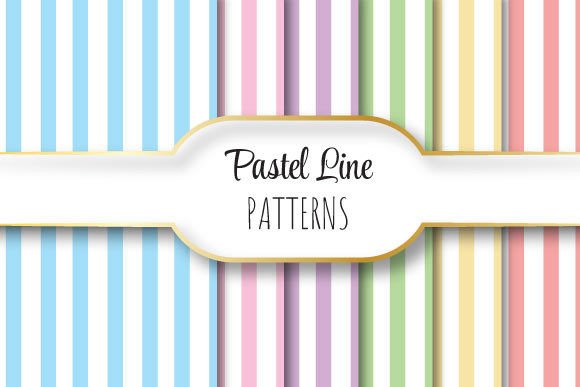
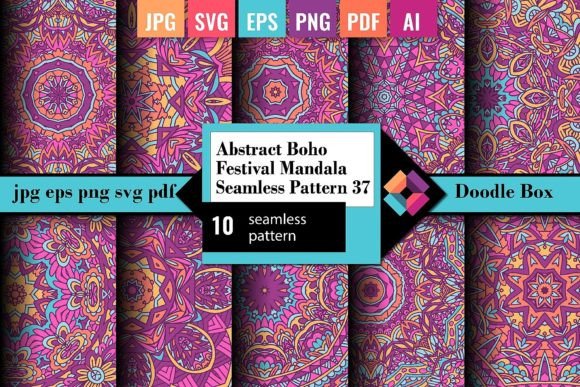
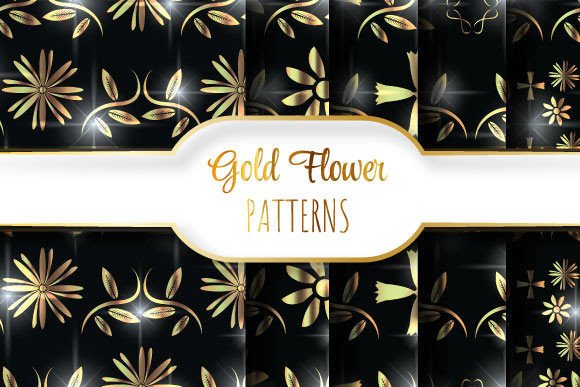
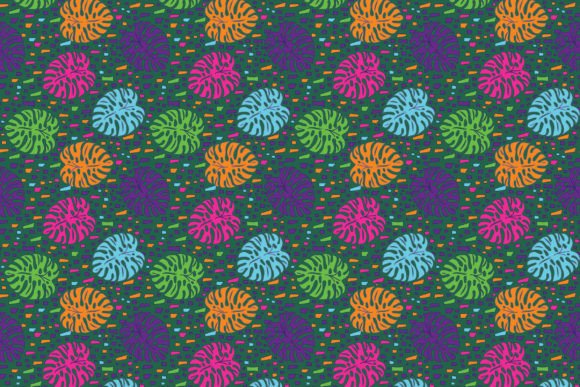
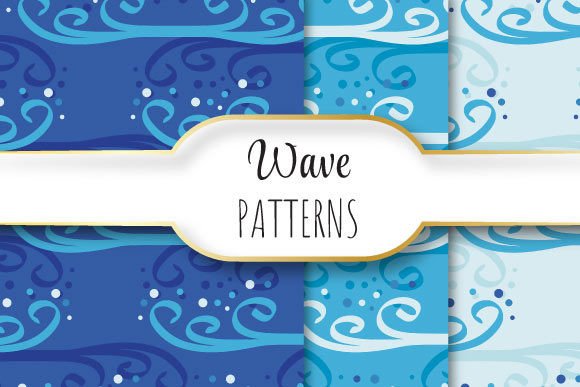
Waves refer to a type of visual element characterized by smooth, flowing curves that mimic natural undulations. In design, they are often used to create dynamic backgrounds, textures, or transitions. When combined with seamless vector patterns, which repeat without visible seams, waves become a powerful tool for generating cohesive, scalable, and visually engaging designs.
These patterns are typically created using vector graphics software like Adobe Illustrator or Inkscape. They are designed to be scalable without losing quality, making them ideal for both print and digital applications. The 12 x 12 inch size at 3600 x 3600 pixels and 300dpi ensures high-resolution output suitable for professional use. Available in EPS format, these files maintain vector integrity, allowing for easy customization and integration into various design workflows.
Why Are Waves and Seamless Patterns Gaining Attention?
The growing interest in Waves and seamless vector patterns can be attributed to several factors. First, the demand for visual consistency across multiple platforms has increased. With brands needing to maintain a unified look on websites, social media, and printed materials, seamless patterns provide a reliable solution. They allow designers to create cohesive visuals without the need for repetitive manual work.
Second, the rise of responsive design has made scalability a priority. As screens come in various sizes and resolutions, the ability to scale graphics without distortion is crucial. Seamless vector patterns ensure that designs remain sharp and consistent regardless of the device or medium.
Additionally, the trend toward minimalism and clean aesthetics has made subtle, elegant elements like waves more appealing. These patterns offer a way to add depth and movement to otherwise static designs, enhancing user engagement and visual appeal.
How Do They Fit Into Broader Industry Trends?
The use of Waves and seamless patterns aligns with broader trends in the creative and technology industries. For instance, the growth of AI-assisted design tools has made it easier for designers to generate and customize patterns quickly. Tools like Adobe Firefly or Canva’s AI features allow users to create complex waveforms and seamless repeats with minimal effort, democratizing access to advanced design capabilities.
Moreover, the increasing focus on sustainability in design is also influencing the adoption of vector-based assets. Unlike raster images, which require large file sizes and can degrade in quality, vector patterns are lightweight and infinitely scalable. This makes them an environmentally friendly choice, especially for businesses looking to reduce their digital footprint.
Practical Applications Across Industries
Whether you're working in branding, web development, graphic design, or even interior design, Waves and seamless vector patterns have practical applications that can enhance your workflow:
- Branding: Create consistent background textures for logos, packaging, or marketing materials that maintain quality across all platforms.
- Web Development: Use seamless patterns as background images for websites, ensuring responsiveness and visual harmony.
- Graphic Design: Incorporate waveforms into illustrations, infographics, or UI elements to add depth and motion.
- Interior Design: Apply seamless patterns to digital mockups of spaces, helping clients visualize finished designs more effectively.
For example, a freelance designer working on a client's website might use a wave pattern as a background to create a sense of movement and energy. By choosing a seamless vector pattern, the designer ensures that the background remains crisp and consistent on all screen sizes, improving the overall user experience.
Changing Workflows and Expectations
As the design landscape evolves, so do the expectations of clients and end-users. Today’s audiences are more discerning and expect high-quality, visually compelling content that reflects brand identity and professionalism. This has led to a shift in how designers approach their work—favoring efficiency, versatility, and adaptability.
Waves and seamless vector patterns address these changing needs by offering a balance between creativity and practicality. They allow designers to experiment with different styles while maintaining consistency and quality. This is particularly valuable for freelancers and small businesses that need to produce high-quality outputs without extensive resources.
Key Considerations for Using Waves and Seamless Patterns
While these tools offer numerous benefits, there are a few considerations to keep in mind:
- File Format: Ensure that you’re using the correct file format (e.g., EPS) for vector-based assets to maintain scalability and editability.
- Resolution: Always check that your patterns meet the required resolution standards (e.g., 300dpi) for print or high-definition digital use.
- Customization: While seamless patterns are convenient, don’t hesitate to modify them to better fit your project’s unique needs.
- Integration: Test your patterns in different contexts to ensure they complement other design elements and don’t overwhelm the composition.
For instance, when designing a product catalog, a designer might choose a subtle wave pattern as a background to highlight product images without distracting from the main content. This demonstrates how thoughtful use of these elements can enhance rather than hinder the design process.
Looking Ahead: The Future of Design with Waves
As technology continues to advance, the role of Waves and seamless vector patterns in design is likely to expand further. With the increasing popularity of interactive and immersive experiences, such as augmented reality (AR) and virtual reality (VR), these patterns could play a key role in creating visually rich environments.
Furthermore, the integration of AI and machine learning in design tools will make it easier to generate and refine patterns based on user preferences and data insights. This means that designers can focus more on creativity and less on repetitive tasks, leading to more innovative and personalized outcomes.
Ultimately, the adoption of Waves and seamless vector patterns reflects a broader shift toward efficiency, consistency, and visual storytelling in the design world. By embracing these tools, professionals and enthusiasts alike can stay ahead of the curve and deliver work that resonates with modern audiences.
Conclusion
In conclusion, Waves and seamless vector patterns are more than just design elements—they are a reflection of evolving industry trends and changing user expectations. Whether you're a professional, entrepreneur, or enthusiast, incorporating these tools into your workflow can enhance your creative output and streamline your processes. As the design landscape continues to evolve, staying informed about innovations like these will be essential for success.
If you're looking to explore the potential of Waves and seamless patterns, consider downloading a zip file containing 3 EPS and 3 JPEG files. These files are optimized for high-quality use, offering a versatile resource for any design project. By leveraging these assets, you can bring your ideas to life with precision, style, and impact.