Seamless Pattern Stripes Background: A Versatile Tool for Creative Design Workflows
The seamless pattern stripes background has become a staple in the world of digital design, offering a blend of simplicity and versatility that suits a wide range of creative applications. Whether you're working on fashion illustrations, branding materials, or surface pattern prints, this type of background provides a strong visual foundation that can elevate your projects. Its clean lines and structured repetition make it ideal for both professional designers and hobbyists looking to streamline their workflow.
Understanding Seamless Pattern Stripes Background
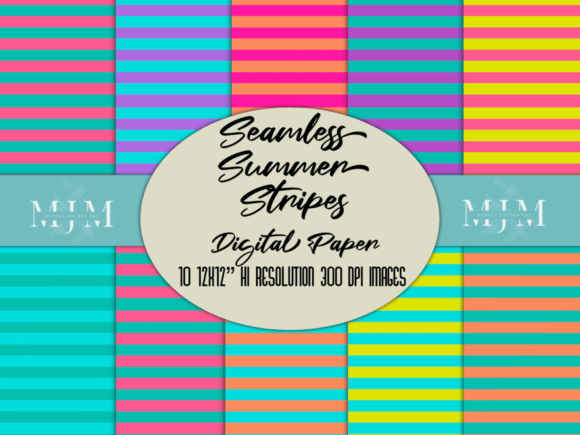
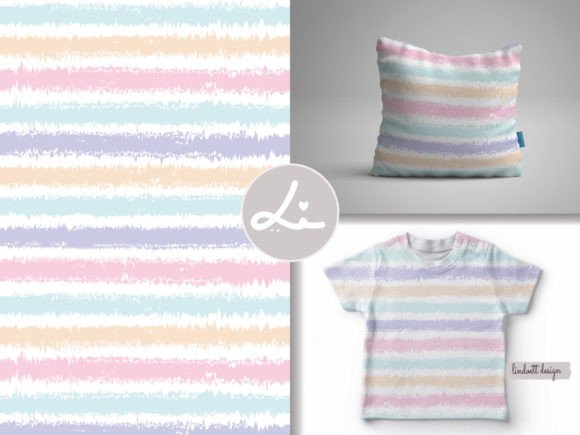
A seamless pattern stripes background is a repeating design that can be tiled without visible seams, making it perfect for use across large surfaces. The stripes themselves can vary in width, color, and direction, allowing for endless customization. This type of pattern is particularly popular in the realm of hand-drawn striped seamless patterns, where artists often combine organic elements with geometric precision to create visually engaging textures.
One of the key advantages of using a seamless pattern stripes background is its adaptability. It can serve as a base layer for more complex designs, helping to establish a cohesive visual language. For instance, in fashion design, a subtle stripe pattern can add depth and movement to fabric simulations, while in graphic design, it can act as a backdrop that enhances readability and visual hierarchy.
Integration into Creative Workflows
The seamless pattern stripes background fits naturally into various stages of a creative project. During the planning phase, it can help set the tone and mood of a design. For example, a grunge colorful multi-stripe background might be used in a branding project to convey energy and dynamism, while a more subdued version could support a minimalist aesthetic.
During the execution phase, the seamless pattern stripes background acts as a foundational element that supports other design assets. When working with horizontal brush strokes vector texture, combining these elements can create a layered effect that adds depth and texture to your compositions. This is especially useful in abstract digital design for fashion or surface pattern printing, where visual interest is paramount.
After the initial design is complete, the seamless pattern stripes background can also play a role in refining and finalizing the output. By using it as a reference, designers can ensure consistency across different elements of the project. It also allows for easy adjustments if changes are needed, thanks to its modular nature.
Practical Use Cases and Workflow Examples
One common use case for the seamless pattern stripes background is in surface pattern printing. Designers often start by creating a base pattern and then build upon it with additional elements like floral motifs, abstract shapes, or text. The stripes provide a rhythmic structure that helps maintain balance and proportion throughout the design.
Another scenario involves digital illustration for fashion. In this context, the seamless pattern stripes background can be used as a texture overlay to simulate fabric patterns or add visual interest to garments. This technique is particularly effective when working with vector-based tools like Adobe Illustrator or CorelDRAW, which allow for precise control over layers and colors.
For branding and marketing purposes, the seamless pattern stripes background can be incorporated into website backgrounds, social media graphics, or print materials. Its ability to scale seamlessly makes it ideal for use across multiple platforms and screen sizes, ensuring a consistent brand presence.
Working with EPS and Vector Formats
The availability of EPS formats and editable vector files is a major benefit for designers who want to customize the seamless pattern stripes background to fit their specific needs. These formats allow for unlimited color variations and easy editing, which means you can tweak the design at any stage of the process without losing quality.
When working with layered AI files, the ability to isolate individual elements—such as the stripes, brush strokes, or background textures—makes it easier to experiment with different combinations. This flexibility is essential for designers who need to iterate quickly or adapt their work to new requirements.
Additionally, the inclusion of JPG file formats ensures compatibility with a wide range of software and platforms. This makes it simple to integrate the seamless pattern stripes background into existing workflows, whether you're working on a desktop application, a mobile device, or a web-based platform.
Best Practices for Using Seamless Pattern Stripes Background
To get the most out of the seamless pattern stripes background, consider the following best practices:
- Plan your layout: Before applying the pattern, sketch out your design to ensure it aligns with your overall vision.
- Test scalability: Make sure the pattern looks good at different sizes, especially if it's intended for print or digital use.
- Use color wisely: Choose colors that complement your design goals and enhance the visual impact of the pattern.
- Experiment with layers: Try combining the seamless pattern stripes background with other textures or elements to create unique compositions.
- Save in multiple formats: Keep both vector and raster versions of your design for maximum flexibility.
By following these tips, you can ensure that the seamless pattern stripes background serves as a reliable and versatile tool in your creative toolkit.
Conclusion
The seamless pattern stripes background is more than just a decorative element—it's a powerful asset that can enhance the quality and efficiency of your design process. Whether you're working on fashion, branding, or digital art, understanding how to integrate this resource into your workflow can lead to more consistent, polished, and professional results.