Leopard: A Versatile Resource for Designers, Creators, and Professionals
If you're a designer, marketer, or business owner looking for high-quality, reusable graphic assets, Leopard is a resource that could significantly enhance your workflow. Whether you're creating digital publications, branding materials, or visual content for social media, Leopard offers a range of file formats that cater to different needs and applications.
What Is Leopard?
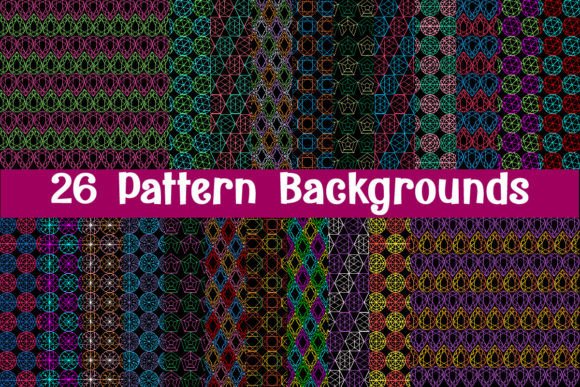
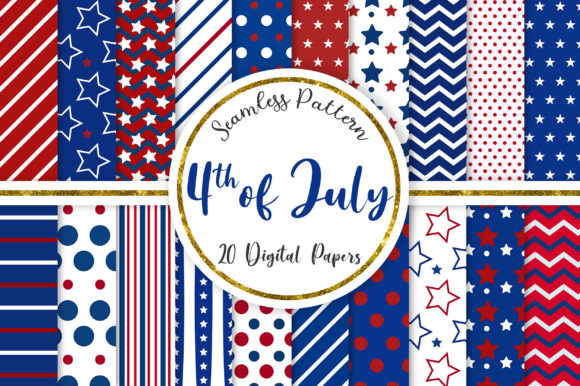
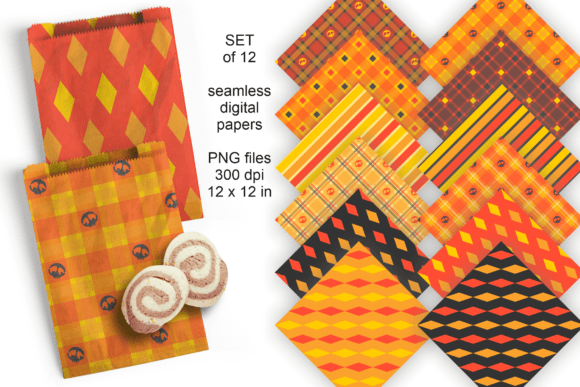
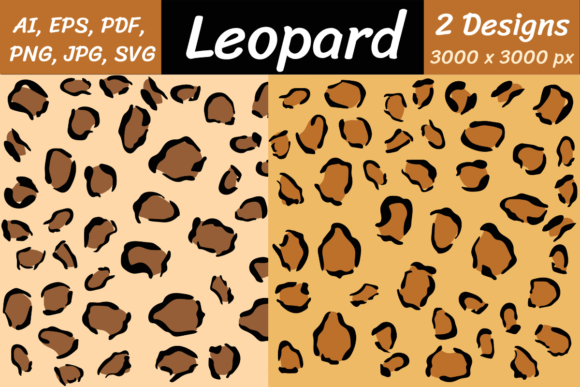
Leopard refers to a collection of seamless pattern files designed for use in various creative projects. These patterns are available in multiple formats including AI, EPS, PDF, PNG, JPEG, and SVG. Each file is 3000 x 3000 pixels in size and printed at 300 dpi, ensuring high quality and scalability. The files come zipped, so you'll need software like WinZip or WinRAR to extract them.
Why Leopard Matters for Creative Professionals
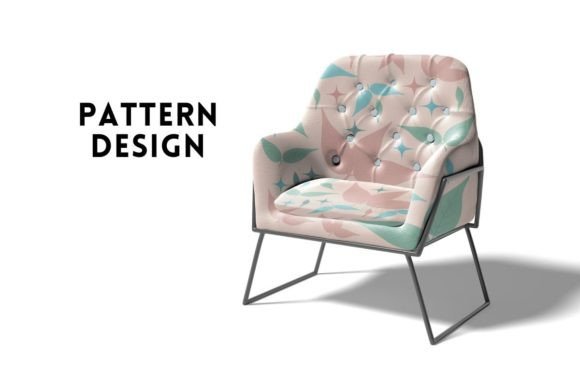
For designers and creatives, Leopard provides a ready-made solution for background textures, decorative elements, and repeating patterns. These can be used in everything from print design to digital layouts. The versatility of the files allows them to be adapted across multiple platforms and applications without loss of quality.
Imagine you're working on a brochure for a luxury hotel. You need a subtle, elegant background that complements the brand's aesthetic. Leopard’s patterns offer a perfect starting point. You can easily customize them using Adobe Illustrator or Photoshop, ensuring they align with your design goals while maintaining a professional look.
Real-World Use Cases for Leopard
Leopard isn't just for designers—it has practical applications across a wide range of industries and scenarios:
- Marketing Teams: Use Leopard patterns as backgrounds for social media posts, email newsletters, or website banners. These can help create a cohesive visual identity without the need for custom graphics.
- Freelancers: Incorporate Leopard into client projects to save time and deliver polished results quickly. The availability of transparent PNGs makes it easy to overlay text or other design elements.
- Small Business Owners: Create branded materials such as flyers, posters, or packaging using Leopard’s templates. This can elevate your brand’s appearance and professionalism.
- Educators: Utilize Leopard patterns in classroom presentations, handouts, or interactive learning materials. They add visual interest and can aid in engaging students.
- Hobbyists: Whether you're crafting digital art or physical prints, Leopard offers a variety of options to explore creativity without the hassle of designing from scratch.
How Leopard Fits Into Your Workflow
One of the biggest advantages of Leopard is its adaptability. Whether you're working on a large-scale project or a small personal endeavor, these files can be integrated seamlessly into your existing tools and processes.
For example, if you're a blogger who frequently creates visually appealing content, Leopard’s JPEG and PNG files can serve as background images for your blog posts. This not only saves time but also ensures consistency in your visual style. Similarly, educators can use Leopard’s patterns to create engaging slides or printable worksheets that stand out from standard templates.
Considerations Before Using Leopard
Before downloading and using Leopard, there are a few key factors to keep in mind:
- File Format Compatibility: Ensure that the format you choose (AI, EPS, SVG, etc.) is compatible with your design software. For instance, if you're using InDesign, SVG or AI files might be more suitable than PDFs.
- Resolution and Scaling: Since all files are 3000 x 3000 pixels at 300 dpi, they’re ideal for both print and digital use. However, always check how they scale when applied to different layouts or screen sizes.
- License and Usage Rights: Verify the licensing terms to ensure that you can use the files for your intended purpose. Some patterns may have restrictions on commercial use or require attribution.
- Software Requirements: Make sure you have the necessary tools installed to open and edit the files. If you're unsure, consider purchasing a design tool like Adobe Illustrator or a free alternative like Inkscape.
- Unzipping Process: Always have unzipping software such as WinZip or WinRAR ready before downloading. This will prevent any issues when extracting the files.
Conclusion
Leopard is more than just a set of design files—it's a valuable asset for anyone involved in creative work. From marketing professionals to educators, the flexibility and quality of Leopard make it an essential tool in modern design practices. By understanding how to best utilize these resources, you can streamline your workflow, improve your output, and achieve better results in less time.