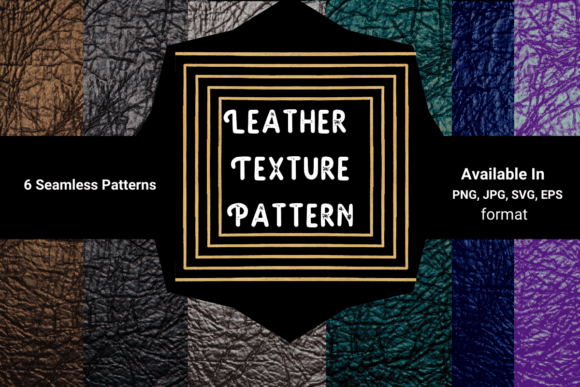
Leather Texture Pattern: A Creative Resource for Designers and Makers
If you're looking to add a touch of sophistication and texture to your creative projects, the Leather Texture Pattern is an excellent resource. Whether you're designing custom gifts, crafting home décor, or working on commercial projects, this pattern offers versatility and visual appeal. With its rich, tactile appearance, the leather texture pattern can elevate any design without requiring physical materials.
The Leather Texture Pattern comes in multiple formats, including JPG, PNG, SVG, and EPS, all at a high resolution of 5000px x 5000px and 300 dpi. This ensures that your final product will look sharp and professional, whether it's printed or used digitally. Importantly, no physical product is shipped—everything is delivered instantly as a downloadable file, making it accessible and convenient for users around the world.
Why Choose Leather Texture Pattern?
The Leather Texture Pattern is more than just a decorative element—it’s a functional design tool. Its realistic texture mimics the feel and appearance of genuine leather, making it ideal for projects where authenticity matters. From custom gifts like keychains and wallets to larger items such as curtains, pillows, and rugs, the leather texture pattern can be adapted to suit almost any creative need.
Additionally, the availability of multiple file formats means that the Leather Texture Pattern can be used across various platforms and applications. Designers can work with vector-based files like SVG for scalability, while others may prefer raster formats like JPG or PNG for print or digital use. The high-resolution quality ensures that details remain intact, even when scaled up or down.
Common Mistakes When Using Leather Texture Pattern
While the Leather Texture Pattern is a powerful tool, there are several common mistakes people make when using it. One of the most frequent errors is not considering the scale of the pattern before applying it to a project. If the pattern is too small or too large, it can disrupt the overall design and reduce its visual impact.
Another mistake is using the wrong file format for the intended application. For example, using an SVG file for print may result in poor output if the file isn’t properly optimized. Similarly, relying on low-resolution images can lead to pixelation or loss of detail, especially when printing at large sizes.
Some users also overlook the importance of testing the pattern on a smaller scale before committing to a full project. This can save time and resources by identifying potential issues early on. Additionally, not checking the compatibility of the pattern with the software being used can lead to unexpected results or formatting problems.
How to Avoid These Mistakes
To ensure the best results when working with the Leather Texture Pattern, it’s important to take a few key steps. First, always review the pattern at different scales to determine how it looks in various contexts. This helps you choose the right size for your project and avoid scaling issues.
Next, consider the purpose of your project and select the appropriate file format. If you're planning to print, opt for high-quality raster formats like JPG or PNG. If you need scalability, go with SVG. Always check the resolution to ensure it meets your requirements.
Before finalizing your design, test the pattern on a sample or mock-up. This allows you to see how it interacts with other elements and makes adjustments if necessary. It also helps you identify any compatibility issues with your design software or tools.
Finally, familiarize yourself with the software you’re using. Some programs may require specific settings or export options to maintain the integrity of the pattern. Understanding these nuances can prevent frustration and ensure a smoother workflow.
What to Check Before Using Leather Texture Pattern
Before incorporating the Leather Texture Pattern into your project, there are a few things to consider. First, verify the resolution and file type to ensure they meet your needs. High-resolution files are essential for professional prints, while lower resolutions may be sufficient for digital use.
Also, check the licensing terms to understand how the pattern can be used. Some patterns may have restrictions on commercial use or require attribution. Being aware of these details can help you avoid legal issues or unexpected limitations.
Consider the color profile of the pattern as well. If you're preparing for print, ensure that the colors match the intended output. Some patterns may appear differently on screen versus in print, so it’s wise to test them in both environments.
Lastly, think about the overall design and how the leather texture pattern fits within it. While it adds character, it shouldn't overpower other elements. Balance is key to achieving a cohesive and visually appealing result.
Realistic Examples and Better Approaches
For instance, if you're creating a custom pillow with a Leather Texture Pattern, start by selecting a high-resolution PNG file. Apply the pattern to the fabric and test it on a small section first. If the texture appears too bold or too subtle, adjust the opacity or scale accordingly.
Another example is using the leather texture pattern in a digital design for a website or app. In this case, an SVG file would be ideal for scalability. Ensure that the pattern aligns with the brand's aesthetic and doesn't clash with other design elements.
A better approach is to plan ahead and consider the end use of the pattern. Whether it's for a personal project or a commercial product, understanding the context will help you make informed decisions and achieve the desired outcome.
By following these practical tips and being mindful of common pitfalls, you can maximize the value of the Leather Texture Pattern and create stunning, professional results. With the right approach, this versatile resource can become an essential part of your creative toolkit.