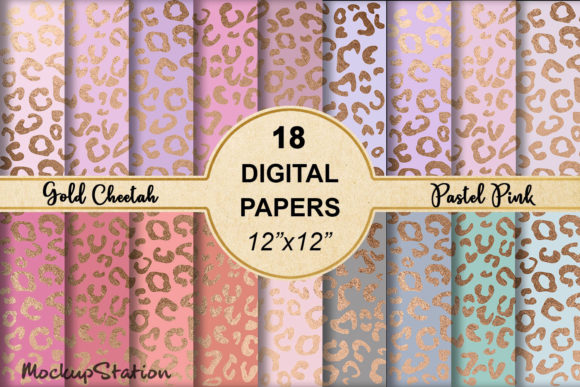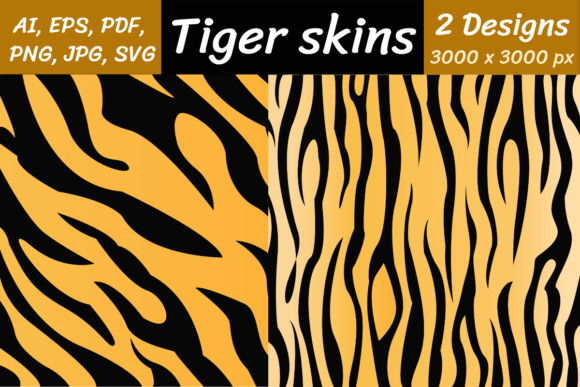
Discover Tiger Digital Papers: High-Quality Seamless Patterns for Designers and Creators
In the world of graphic design, digital papers play a crucial role in creating visually appealing and professional projects. Whether you're working on branding, packaging, or creative illustrations, having access to high-quality digital papers can elevate your work significantly. One such collection that has gained popularity among designers is the Tiger Digital Papers. These seamless patterns offer versatility, quality, and a unique aesthetic that can be used across various design applications.
What Are Tiger Digital Papers?
Tiger Digital Papers are a set of high-resolution, seamless pattern files designed for use in both print and digital media. They come in multiple formats, including AI, EPS, PDF, PNG, PNG transparent, JPEG, and SVG, ensuring compatibility with a wide range of design software. Each file is available at a resolution of 300 DPI, making them ideal for professional printing and high-quality digital outputs.
Why Choose Tiger Digital Papers?
- High-Quality Resolution: All Tiger Digital Papers are created at 300 DPI, ensuring sharp and clear output whether printed or displayed digitally.
- Seamless Design: These patterns repeat seamlessly, making them perfect for backgrounds, wrapping paper, or fabric designs.
- Versatile Formats: With support for AI, EPS, PDF, PNG, PNG transparent, JPEG, and SVG, these files are compatible with most design tools like Adobe Illustrator, Photoshop, and InDesign.
- Easy to Use: The files are zipped together, making it simple to download and extract using software like WinZip or WinRAR.
Understanding the File Types
When working with digital assets, understanding the different file types is essential. Here's a breakdown of the common formats included in the Tiger Digital Papers package:
AI (Adobe Illustrator)
The AI format is ideal for vector-based designs. It allows for scalable graphics without loss of quality, making it perfect for logos, icons, and intricate illustrations.
EPS (Encapsulated PostScript)
EPS files are also vector-based and widely used in print design. They maintain clarity at any size, making them suitable for high-resolution prints and digital displays.
PDF (Portable Document Format)
PDF files are versatile and can contain both vector and raster elements. They are excellent for sharing designs across platforms while maintaining formatting integrity.
JPG/JPEG
JPG files are best suited for photographs and images with rich color gradients. They are compressed, which makes them ideal for web use but less suitable for print.
PNG (Portable Network Graphics)
PNG files support transparency, making them perfect for overlays, icons, and graphics that need to blend seamlessly into other backgrounds.
PNG Transparent
This format includes an alpha channel, allowing for full transparency. It is particularly useful for creating cut-out graphics or watermarks that do not interfere with the background.
SVG (Scalable Vector Graphics)
SVG files are lightweight and scalable, making them ideal for web design and responsive layouts. They maintain quality regardless of screen size or zoom level.
Applications of Tiger Digital Papers
The versatility of Tiger Digital Papers makes them suitable for a wide range of applications. Here are some common uses:
Graphic Design
Designers often use digital papers as backgrounds for posters, brochures, and social media graphics. The seamless nature of these patterns ensures a cohesive and professional look.
Branding
Companies can incorporate Tiger Digital Papers into their branding materials, such as business cards, letterheads, and packaging, to create a consistent visual identity.
Education
Teachers and educators can use these patterns to create engaging lesson plans, worksheets, and interactive learning materials that capture students' attention.
Art and Creativity
Artists and illustrators can use these digital papers as a base for their artwork, providing a textured and artistic feel to their creations.
Business Presentations
Adding a visually appealing background to presentations can help convey ideas more effectively. Tiger Digital Papers offer a stylish and professional option for this purpose.
How to Use Tiger Digital Papers
Using Tiger Digital Papers is straightforward once you have the files extracted. Here’s a quick guide:
- Download and Extract: Download the zipped file and extract it using software like WinZip or WinRAR. Ensure you have these tools installed on your computer.
- Open in Design Software: Open the desired file in your preferred design tool, such as Adobe Illustrator or Photoshop.
- Adjust and Customize: Resize, adjust colors, or layer the pattern as needed to fit your project requirements.
- Export or Print: Once satisfied with the design, export the file in the required format or print it directly from your design software.
Common Misconceptions About Digital Papers
There are several misconceptions about digital papers that may prevent users from exploring their potential. Here are a few key points to clarify:
- They’re Only for Print: While digital papers are commonly used in print, they are equally valuable in digital design, web development, and multimedia projects.
- They’re Limited in Use: The versatility of digital papers means they can be used in almost any design context, from branding to educational materials.
- They Require Advanced Skills: Many digital papers are user-friendly and can be integrated into projects with minimal technical expertise.
Conclusion
Tiger Digital Papers offer a powerful solution for designers, artists, and creators looking to enhance their work with high-quality, seamless patterns. With support for multiple file formats and resolutions, these digital papers provide flexibility and professionalism in both print and digital applications. Whether you're a beginner or an experienced designer, incorporating Tiger Digital Papers into your workflow can elevate the visual appeal and impact of your projects. Don’t hesitate to explore this resource and discover how it can transform your creative process.